
Hawaiian Airlines Goes Electric at HNL with 116-Vehicle Swap
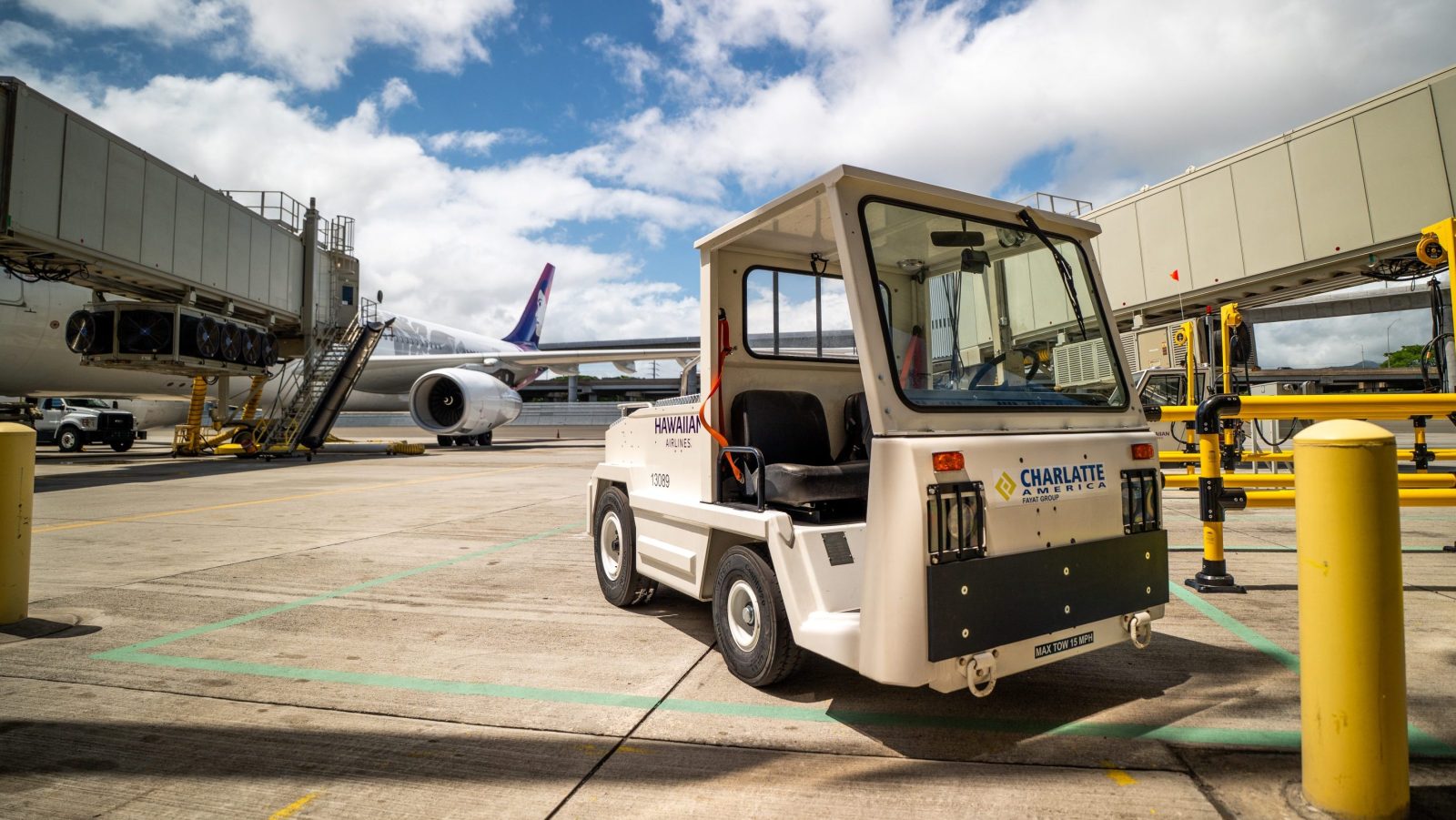
Aloha ʻohana. If you fly out of HNL with any regularity, the tarmac is about to look (and sound) a little different. Hawaiian Airlines just announced it is replacing 116 diesel and propane ground support vehicles at Honolulu with lithium-battery electric equipment, which is one of the largest single-hub GSE electrifications any U.S. carrier has pulled off.
This is the kind of behind-the-scenes news that does not usually make the front page, but it actually matters for kamaʻāina who fly out of HNL. Less diesel exhaust at the gate, quieter ramps, and a real signal about where Alaska Air Group is taking the Hawaiian operation post-merger. Here is what was announced, what the numbers really say, and why I think this is a bigger deal than the press release lets on.
The 116-vehicle swap at HNL
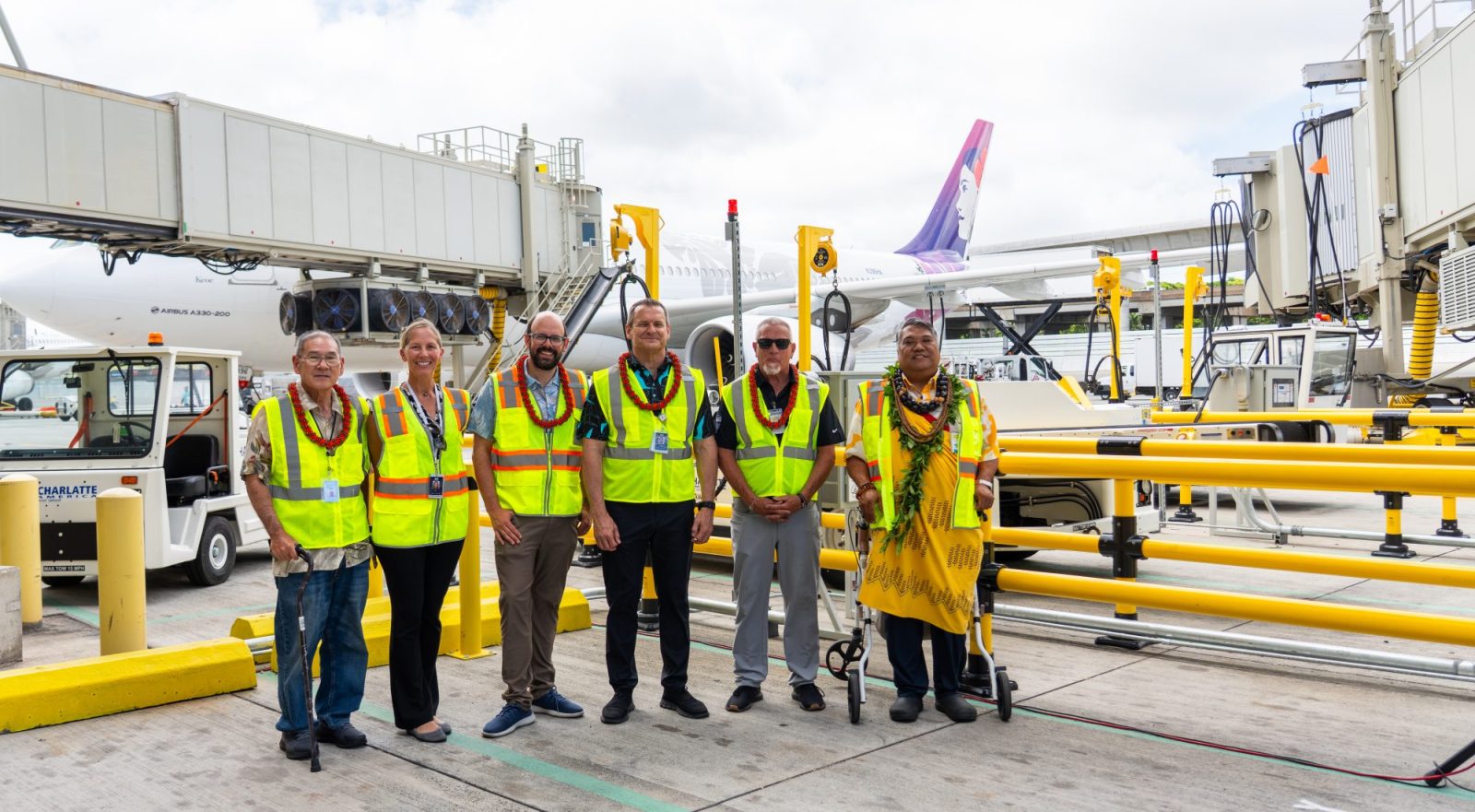
Per the official announcement from Alaska Air Group, Hawaiian unveiled a new fleet of electric baggage tractors, belt loaders, and aircraft pushback tractors that will replace 116 fossil-fuel ground support vehicles at HNL. Once the swap is complete, 73% of Hawaiian's Honolulu ground fleet will be electric.
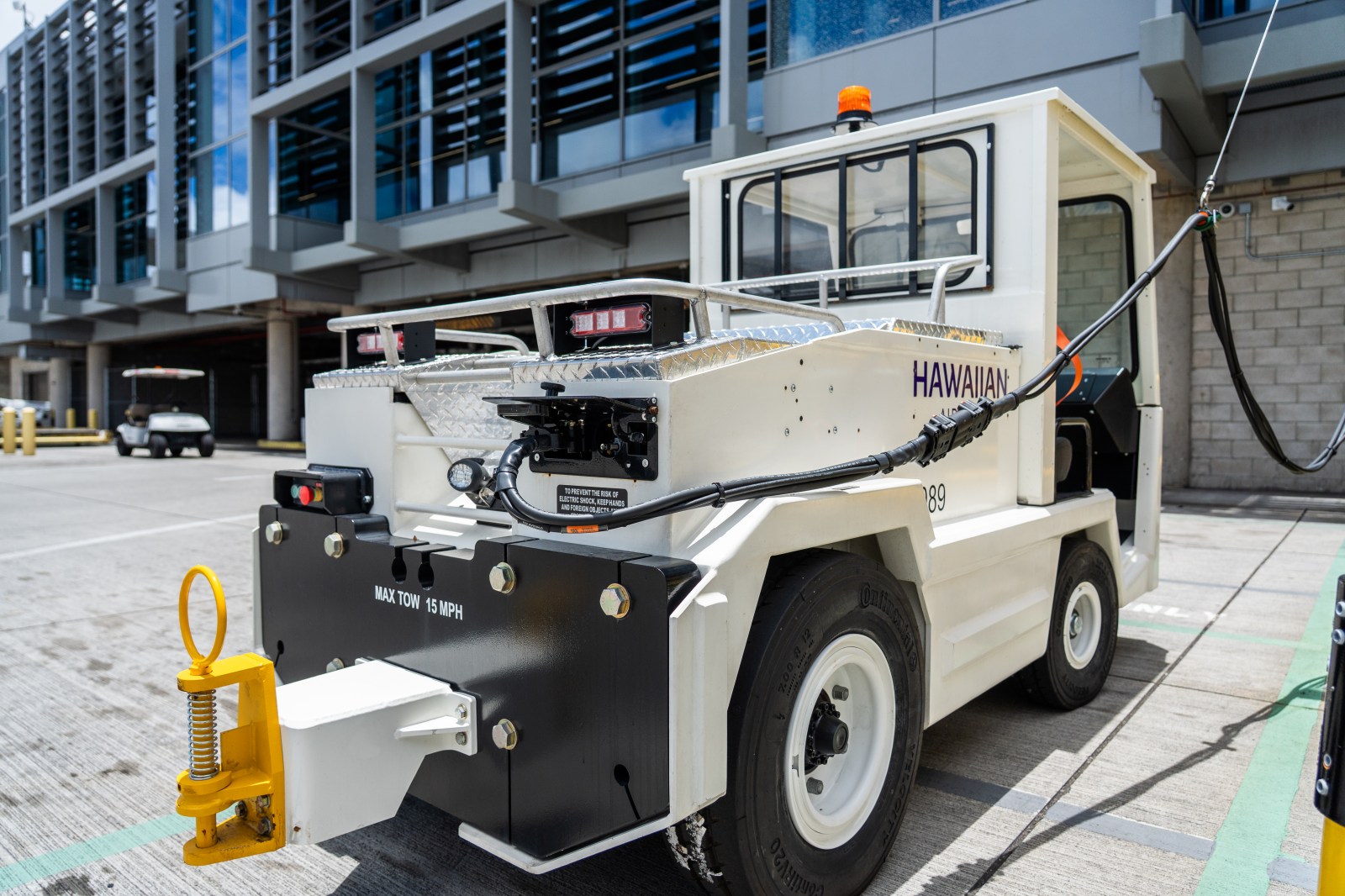
The specific equipment is worth knowing if you geek out on this stuff like I do:
- Charlatte T137 bag tractors for moving your checked luggage from curb to belly.
- Charlatte CBL2000 belt loaders, modified to handle both Hawaiian's narrow-body A321neo fleet and the wide-body A330s and 787s.
- Kalmar TBL100 towbarless pushback tractors for pushing aircraft off the gate.
The State of Hawaiʻi Department of Transportation installed 30 charging stations (60 ports) across HNL to power the fleet, with four more stations (eight ports) coming online in Q4 2026. HDOT is letting Hawaiian and other airlines with electric GSE use those chargers free for the first two years, which is a quiet but significant subsidy.
The environmental math
The numbers Hawaiian shared on the annual environmental benefit are worth pausing on, because they sound impressive but also help calibrate what airline sustainability moves actually accomplish.
That last one is the most honest comparison. The emissions avoided by electrifying 116 pieces of ground equipment at the biggest Hawaiian Airlines hub equal about 25 roundtrip flights between HNL and Seattle. Hawaiian flies that route multiple times a day. So in pure carbon terms, this is a real step but a small one against the much bigger footprint of jet fuel itself.
Which is why the working-conditions story actually interests me more.
What changes at the gate
HNL ramp workers move more than 8,500 checked bags and support roughly 180 daily flight arrivals and departures. That is a lot of diesel and propane fumes being pumped into the air next to humans, every single day, in a tropical climate where those doors and windows are wide open.
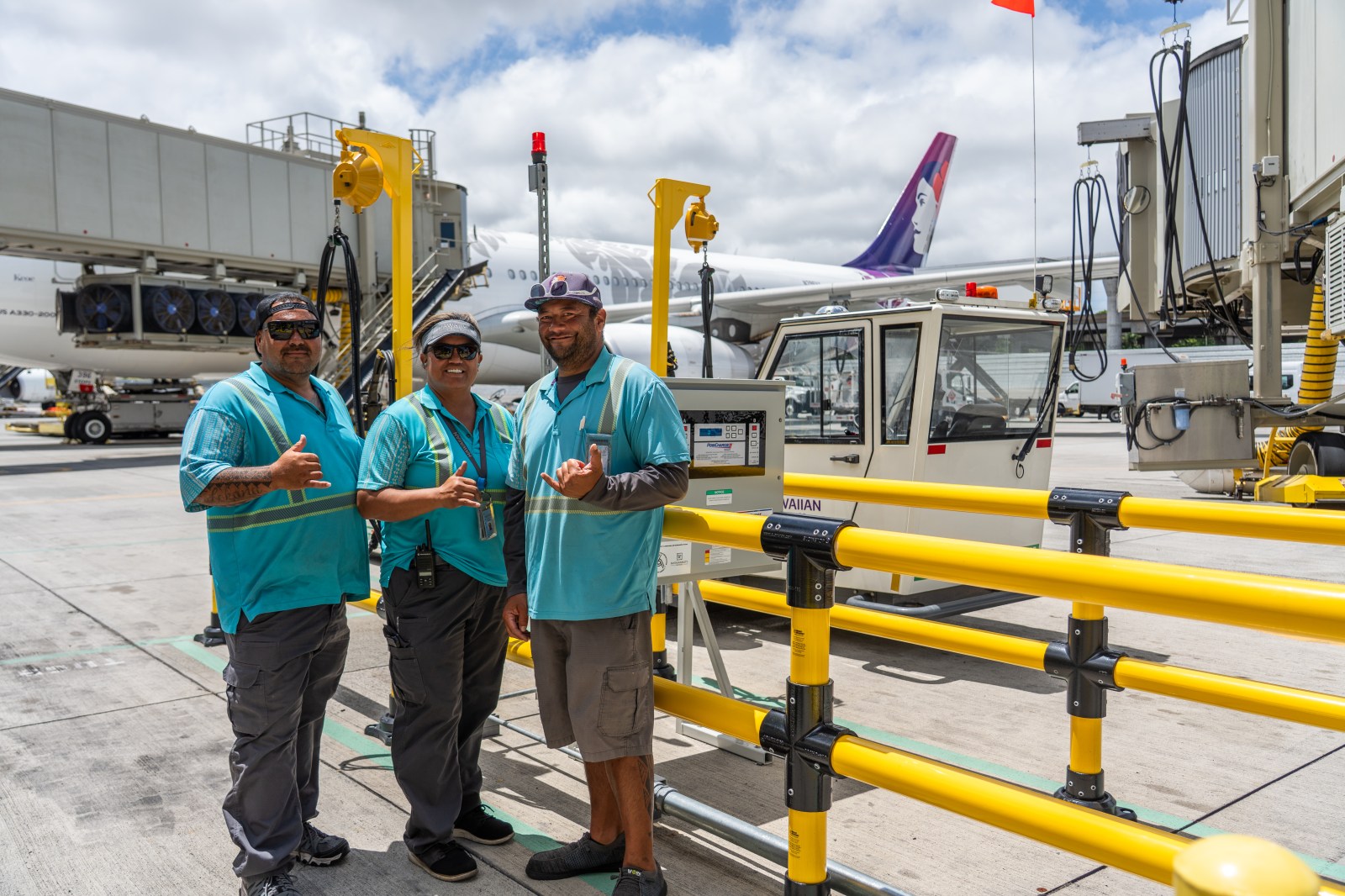
The new tractors also have cabs designed to protect operators from sun, wind, and rain. If you have ever watched the ramp crew work a midday push at HNL in August, you know that is not a minor upgrade. Belt loaders now come with sensor-guided aircraft approach systems too, which should reduce the kind of minor gate incidents that occasionally delay departures.
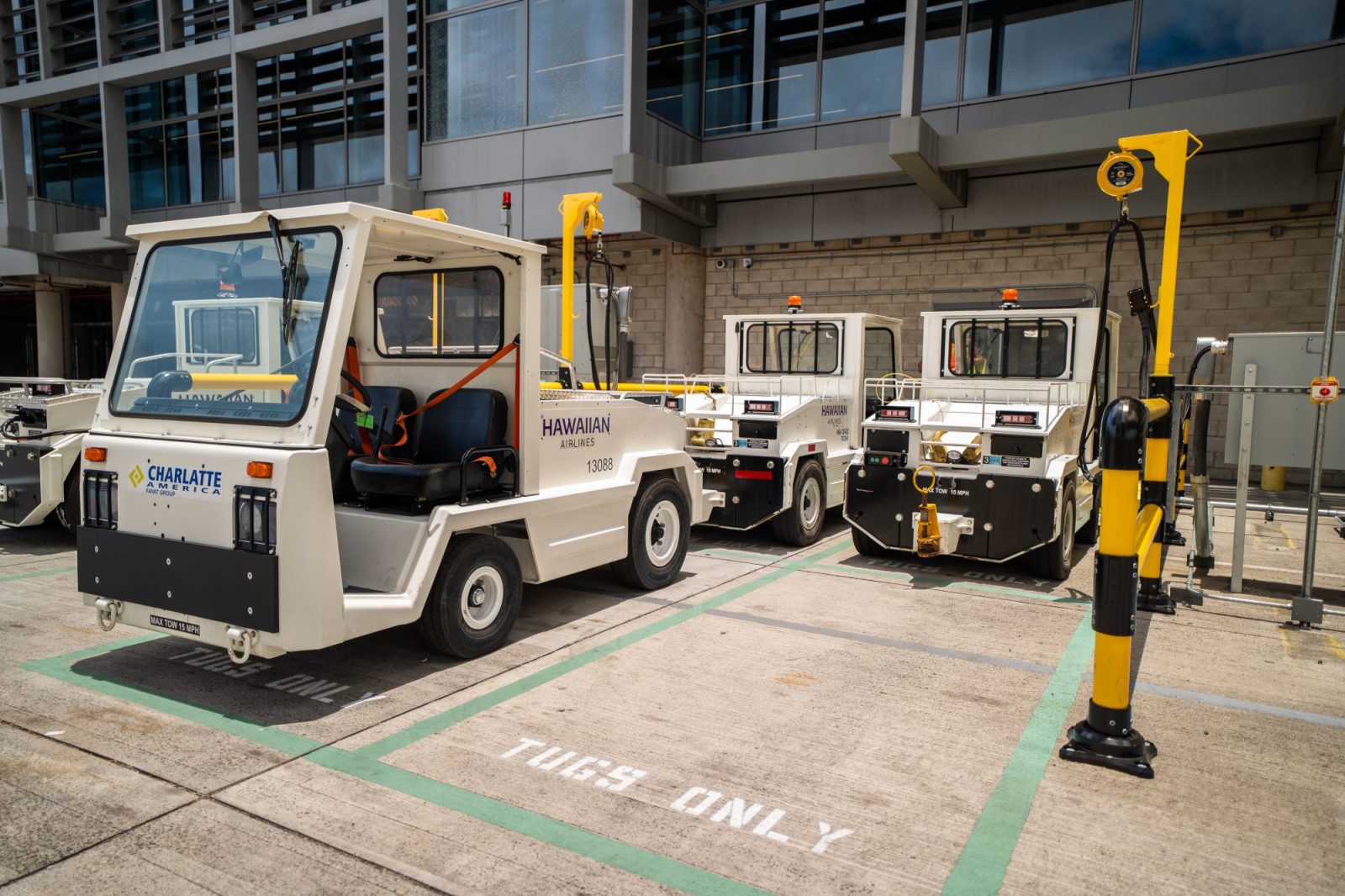
For us as passengers, the practical changes are quieter boarding (especially noticeable at gates near where pushback happens), less exhaust drifting into the jet bridge, and theoretically more reliable turn times as the equipment matures.
Best credit cards for flying Hawaiian Airlines
Since Hawaiian now sits inside the Atmos Rewards ecosystem and the oneworld alliance, the right transferable-points card has never mattered more for kamaʻāina flying off island. I keep an updated list of the cards I actually use to book Hawaiian, Alaska, and oneworld partner flights.
See My Card Recommendations →Advertiser Disclosure: Hawaii Reward Travel has partnered with CardRatings for our coverage of credit card products. Hawaii Reward Travel and CardRatings may receive a commission from card issuers. Opinions, reviews, analyses and recommendations are the author's alone, and have not been reviewed, endorsed or approved by any of these entities.
The bigger Alaska + Hawaiian sustainability play
Zoom out and this announcement is part of a much larger story. About 42% of Alaska Air Group's combined GSE fleet (Hawaiian, Alaska, and Horizon) is now electric. The state's $7 billion airport modernization plan, Governor Green's push on clean thermal generation, and the ongoing Alaska + Hawaiian integration are all converging on the same point: making Hawaiʻi airports operationally cleaner before sustainable aviation fuel scales up.
It also signals something about post-merger commitments. When companies merge, the acquired brand's sustainability initiatives often quietly die. Instead, Alaska is doubling down on Hawaiian-specific investments at HNL. That is a small but real data point for anyone wondering whether the kamaʻāina experience gets diluted under new ownership.
Scottie's Take
Honestly, electric baggage tractors are not going to change anyone's flight plans tomorrow. The 25-roundtrip-flight equivalent number tells you exactly how small this is against the real footprint of aviation. But that is not really why I think this story matters.
What I notice is the signal. Alaska Air Group is investing operationally in Honolulu, partnering with HDOT on infrastructure, and keeping the working conditions of local ramp crews on the priority list. Twelve months into the integration, that is the kind of move that tells me the kamaʻāina-facing operation is not getting starved. Quiet investments in unglamorous places like the ramp are usually a better read on a company's intentions than any glossy ad campaign.
The bigger question I am watching is when sustainable aviation fuel actually scales up at HNL. That is the lever that moves the carbon number for real. Hawaiian and Alaska have a partnership going with Par Hawaii and Pono Energy on local SAF production, and I will be following that closely.
Anyone else fly out of HNL often enough to notice the ramp changes? Drop a comment below and let me know what you have spotted.
A hui hou,
Scottie
